
It is calculated by dividing the company’s valuation by the number of shares you own. While equity multiplier is a useful tool for assessing financial leverage, it is important to keep in mind its limitations. But XYZ Company is less leveraged than ABC Company, and therefore has a lower degree of financial risk. This is because a smaller portion of XYZ Company’s financing comes from debt, which must be repaid with interest.
- Investors keep a keen eye on the equity multiplier ratio because it’s also a key component in the Dupont Formula, which measures a company’s performance based on key financial metrics.
- This causes the equity multiplier to decline as assets are funded through proportionally greater shareholders’ equity.
- When calculating the equity multiplier, one needs to know the total value of a company’s assets and the amount of its total shareholders’ equity.
- It’s a key metric that reveals how a company uses debt to finance its assets, providing clear insight into financial health.
- Still, a low equity multiplier is comfortable for those seeking safer investment havens, bearing in mind that ‘low’ is a relative term and must be weighed against industry averages.
How can I calculate the equity multiplier in Excel?
Equity Multiplier Formula is a division of the Total Assets and Total shareholder’s Net Equity of a company. Time spent collecting data and building spreadsheets is time you could use to equity multiplier formula analyze results and make better decisions. Equity multiplier does not take into account interest payments on debt, types of debt a company has, or types of equity a company has. Typically between 1 and 2.5, depending on industry average, stability, and cash flow.
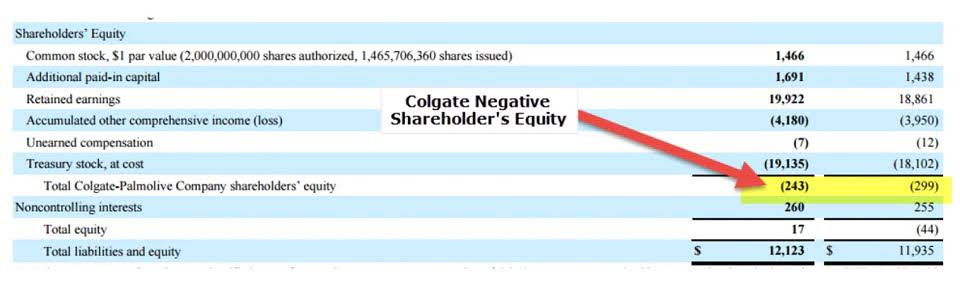
How does debt affect the equity multiplier and a firm’s financial structure?
The equity multiplier shows how much https://www.bookstime.com/ of your assets are financed by equity versus debt. Use it to gauge risk, compare against peers, and guide financing choices with lenders and your board. One of the most direct comparisons to the equity multiplier is the debt-to-equity ratio.

What is a good equity multiplier ratio?

But there are industries that allow for much higher equity multipliers (10 and above). Preferred stocks are not included in the equity multiplier formula because they represent fixed liabilities of the company. It is used to assess the riskiness of investing in a business and its financial strength. However, Albertsons is much more dependent on debt to finance its assets than Kroger is.
Companies with more debt will have higher debt servicing costs—think of those pesky interest payments—which means they need to generate more cash flow to stay afloat. DuPont Analysis is a financial assessment method developed by DuPont Corporation for internal review purposes. The DuPont model breaks down return on equity (ROE) into three constituents, which include the net profit margin, asset turnover, and equity multiplier.
What is Operating Profit Ratio? Guide With Examples
Keep in mind, that there is no exactly perfect equity multiplier ratio, a good equity multiplier depends on the industry and the company’s historical performance. Too high an equity multiplier ratio may indicate that the company had a high debt burden. The too low ratio seems to be a good sign but sometimes it means the company is unable to borrow due to some issue. No, the higher the https://mt2.com.vn/the-best-ways-to-automate-your-accounting/ equity multiplier value, the higher the company’s level of indebtedness. Most likely, such a business spends large sums on debt servicing and will face the inability to meet its financial obligations in case of a decline in profits. On its own, the equity multiplier formula is used to assess the financial strength of a company.
Integrating Equity Multiplier into DuPont Analysis
The equity multiplier is a financial ratio that measures a company’s financial leverage by comparing its total assets to shareholders’ equity. An equity multiplier of 2.5 for a company indicates that a significant portion of its assets are funded through debt financing rather than equity financing. Specifically, it means that for every $1 of shareholders’ equity, the company has $2.5 in total assets. Yes, the equity multiplier can change as a company’s financial structure evolves.